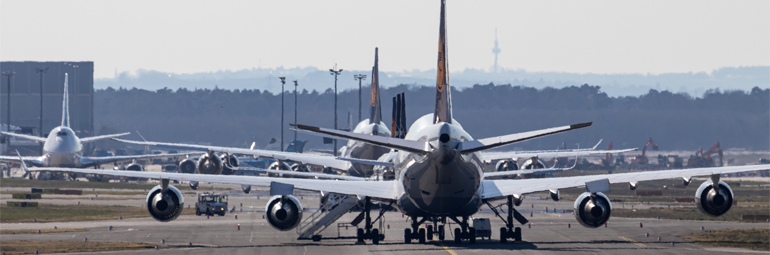
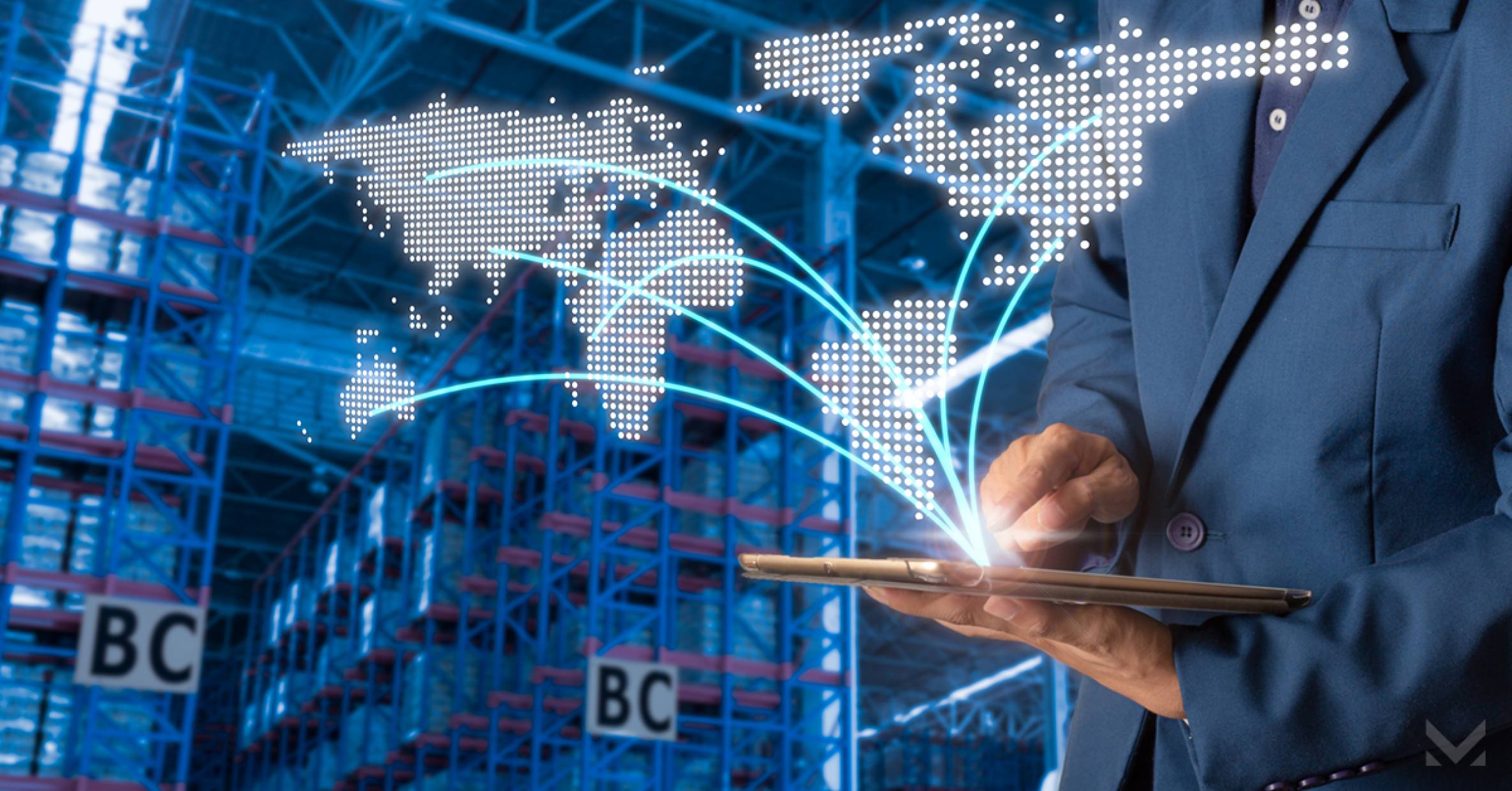
Global logistics is the process of managing goods through an international supply chain, shipping from production to other parts of the world, via the intermodal transport system, ocean, air, rail and truck.Global logistics is the process of managing goods through an international supply chain, shipping from production to other parts of the world, via the intermodal transport system, ocean, air, rail and truck. This could include sending seeds and fertilizer to a grain farmer, sending harvested grain to a processing mill, transporting flour to an industrial bakery, shipping containers of bread to a distribution center, and then delivering them to restaurants.
Through global logistics solutions, today's companies move and deliver perishable and manufactured goods worldwide faster and further than ever before. New technologies that provide information during global shipments transform the way companies do business and keep them one step ahead of the competition in their industry. As tr
What is Global Logistics Management?
The emergence of the term "global logistics" reflects the developing trend in the world economy, which is characterized by the movement of entrepreneurial activity from specialization in individual countries and regions to an organized global market economy. Among the main tasks of global logistics; creation, management and optimization of material flows at the level of macro-regional economic structures.
In the field of logistics management , the main drivers of modern globalization are:The continued growth of the global economy,
Searching for new growth reserves by entering new markets, cheap raw material resources and labor resources outside the national borders of their countries,
The creation of a large number of companies with modern information and computer technologies, which form the basis of a wide international division of labor and integration into global logistics systems, and the emergence of international logistics intermediaries with a developed global infrastructure,
Implementation of deregulation procedures carried out to remove trade, customs, transport and financial barriers to the development of trade and economic relations. This facilitates the movement of capital, goods and information across national borders.What Kind of Companies Are Operating in the Global Logistics Sector?
Global logistics requires close and complex collaboration between a range of business partners. Shipping companies, airlines, railroads, and trucking companies transport the goods. Global delivery services manage the movement of goods. Logistics real estate companies own and operate facilities that are key nodes for transportation, management and warehousing, while a number of service providers provide the software, security, workforce and business intelligence that keep the global logistics system running.How Global Logistics Gives a Company a Competitive Advantage
Businesses are always looking for a competitive advantage that will set them apart from others offering a similar product or service. Competitive advantage is achieved by offering services that are more valuable, lower pricing or more beneficial to a customer. What is the temptation for a potential customer to choose one provider over another, without a distinctive advantage ? Businesses without a competitive advantage will have a hard time maintaining their market relevance.What Drives Demand for the Global Logistics Industry?
The growth in global logistics is driven by three key trends: increased consumption, increased e-commerce, and continued restructuring of the supply chain to move goods faster and more efficiently. The enduring strength of these trends around the world is an indication that global logistics will continue to play an important role in the world economy. You can get help from Horoz Logistics professionals for the logistics activities of your business.




 Product Shipping Only
  Assembly & Disassembly
  Product Shipping + Assembly & Disassembly
  Order Tracking