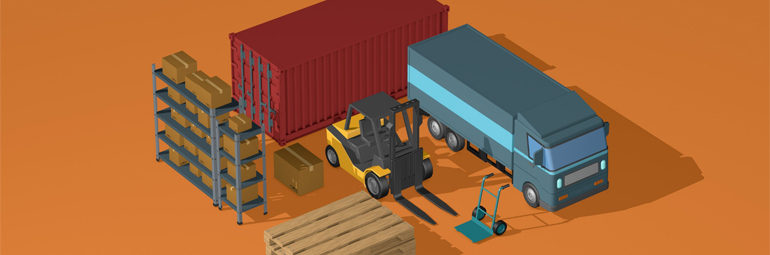
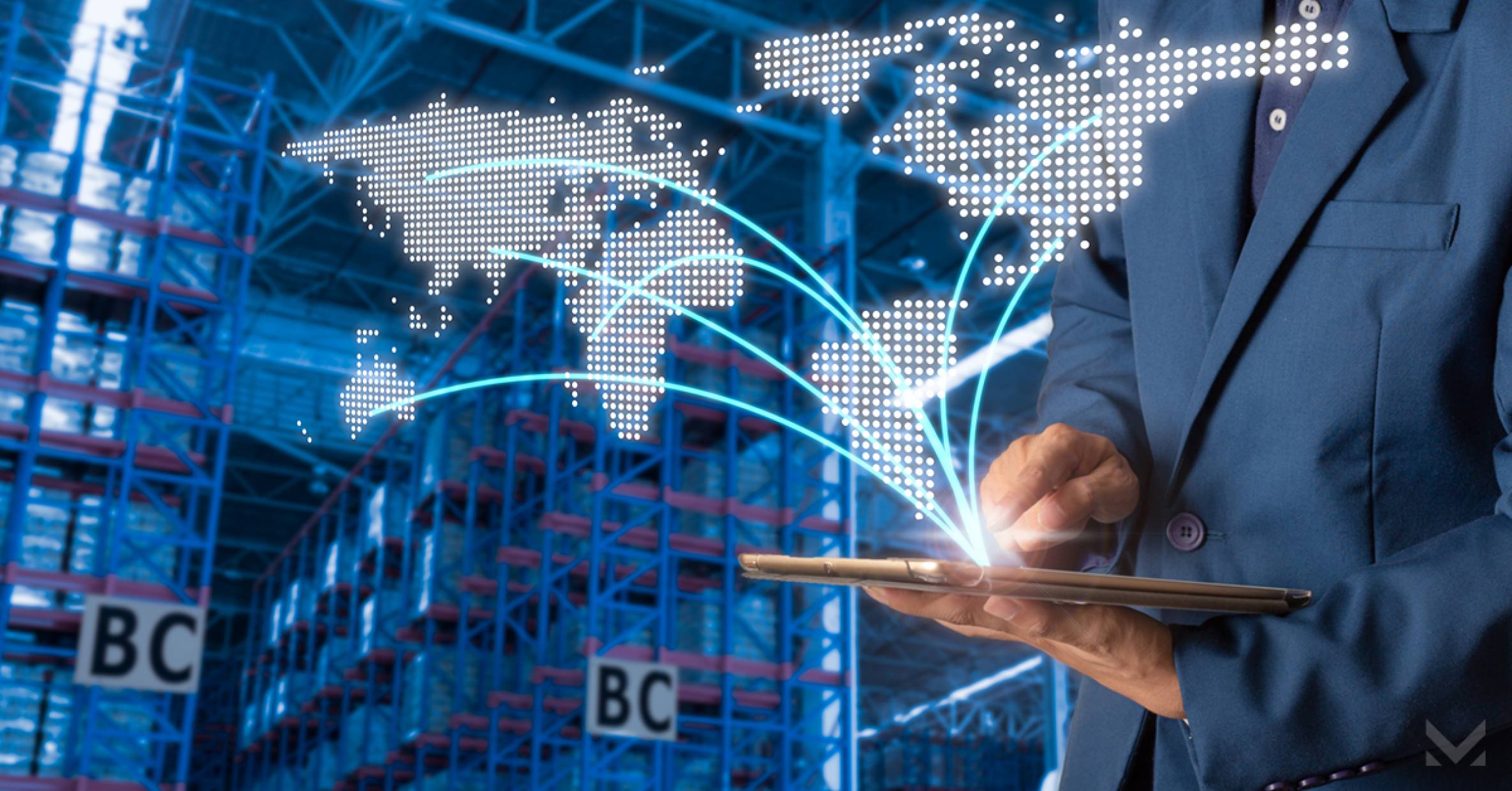
The logistics process is a process that realizes the relationship between production and transportation of products, this process; It covers many variables such as time, product quality and cost. In the market, businesses are always trying to find the most suitable method to produce and distribute products with high demand.
How Does the Logistics Process Work?
For businesses, the logistics process consists of four main building blocks. These can be summarized as follows:Material Supply
Transportation
Warehousing
Supply ChainMaterial Supply
The procurement process reflects finding the lowest-cost supplier for raw materials used in manufacturing. However, due to many variables, this process is also referred to as strategic sourcing. Logistics plays a very important role in the planning phase.Transportation
At the center of logistics is the physical movement of products from point A to point B. First, a company must choose the best shipping method and the most suitable carrier based on cost, speed, and distance. In the case of global shipments, the shipper must also be aware of customs, tariffs, compliance, and other regulations.Warehousing
Both short-term and long-term storage are among the most important stages of the logistics process. Many variables must be considered in storage decisions. Typically, fast-moving or soon-to-be-shipped products are placed at the front of the warehouse.Low-demand items are stored toward the back, and perishable goods are usually rotated. In this way, products are shipped according to production timelines, and these processes are planned by logistics teams. The fourth and final key building block is supply chain management, which is a very important stage.What is Supply Chain Management?
Regardless of the type of production, businesses must manage supply chain management effectively because it is one of the most critical links in the sector. Supply chain management is the management of the flow of materials, information, and money required for the supply chain to operate at the lowest cost.Thanks to supply chain management, the buyer receives the desired product at the requested place and time. It ensures that the entire process—from production to the consumer—is more efficient and optimized.What Are the Components of the Supply Chain?
Since the supply chain consists of a wide range of products and services, it has many different components. Generally, supply chain components are divided into three categories:Actors: These refer to the individuals or groups within the chain. Service providers, manufacturers, customers, suppliers, wholesalers, and warehouses are among the actors in supply chain management.
Resources: These include information, human resources, and financial resources.
Activities: These cover commercial operations and product transformation processes. In short, activities are processes such as service, planning, and sourcing, where resources are interconnected.What is Industrial Logistics?
Unlike other types, the transportation of industrial materials from one place to another is called industrial logistics. Industrial logistics requires more care, attention, and expertise compared to other logistics fields. In this process, environmental and health regulations are applied at the highest level, and companies must frequently audit compliance.The main reason for strict supervision is that industrial logistics often involves transporting materials that may cause irreversible environmental damage. These materials can be in solid, liquid, or gas form. Therefore, the vehicles used for transportation vary depending on the type of material.Choosing the correct transport vehicle is extremely important for logistics companies. Factors such as load characteristics, conductivity, permeability, and equipment suitability must all be considered. For this reason, experienced, trained, and expert teams are essential to ensure that the process is completed safely, successfully, and efficiently.




 Product Shipping Only
  Assembly & Disassembly
  Product Shipping + Assembly & Disassembly
  Order Tracking